
Edge Computing in Action: Real-World Use Cases and Success Stories
Tags: Edge Computing, IoT, Real-World Applications, Tech Trends 2025
In a world where data is generated faster than ever—think billions of IoT devices churning out petabytes daily—edge computing isn’t just a buzzword; it’s the engine powering seamless, real-time experiences. Remember the self-driving car that anticipates traffic in milliseconds or the smart factory that predicts equipment failures before they halt production? That’s edge in action, processing data right where it’s created to slash latency and unlock innovation.
If you’ve followed our series so far—starting with Edge Computing 101 and diving into Edge vs. Cloud—you know the “why” and “how to choose.” Now, let’s get practical. In this third installment of Exploring Edge Computing in 2025, we’ll explore real-world use cases across key industries, backed by success stories from leading adopters. These examples show how edge is transforming businesses in 2025, from urban smart cities to healthcare frontiers. Buckle up—we’re moving from theory to tangible wins.

Why Edge Computing Shines in Real-World Scenarios
Before we jump into the cases, a quick refresher: Edge computing decentralizes data processing to devices or local servers, reducing reliance on distant clouds. In 2025, with 5G/6G networks and AI edge chips (like those from Qualcomm and Intel), this means sub-10ms latency, enhanced privacy, and bandwidth savings—critical for bandwidth-hungry apps.
The proof? Gartner predicts that by 2025, 75% of enterprise data will be processed at the edge, up from 10% in 2018. But numbers only go so far—let’s see edge delivering ROI in the wild.
Use Case 1: Smart Cities and IoT Urban Innovation
Cities are ground zero for edge computing, where millions of sensors track everything from traffic to air quality. Traditional cloud setups choke on the volume, but edge handles it locally for instant insights.
Success Story: Singapore’s Smart Nation Initiative
Singapore, a global leader in urban tech, deploys edge nodes across its infrastructure to manage 100,000+ IoT devices. In 2024, they integrated edge AI for predictive traffic management, reducing congestion by 20% during peak hours. By processing video feeds from cameras at the edge, the system reroutes buses and signals in real-time, cutting commute times by up to 15 minutes.
For businesses, this translates to scalable urban solutions. Imagine deploying edge gateways (e.g., from Cisco or Dell) in your city’s retail districts to optimize energy use—lights dim automatically based on foot traffic, saving 30% on utilities. In 2025, with 6G trials, expect edge to enable AR overlays for tourists, blending physical and digital worlds without lag.
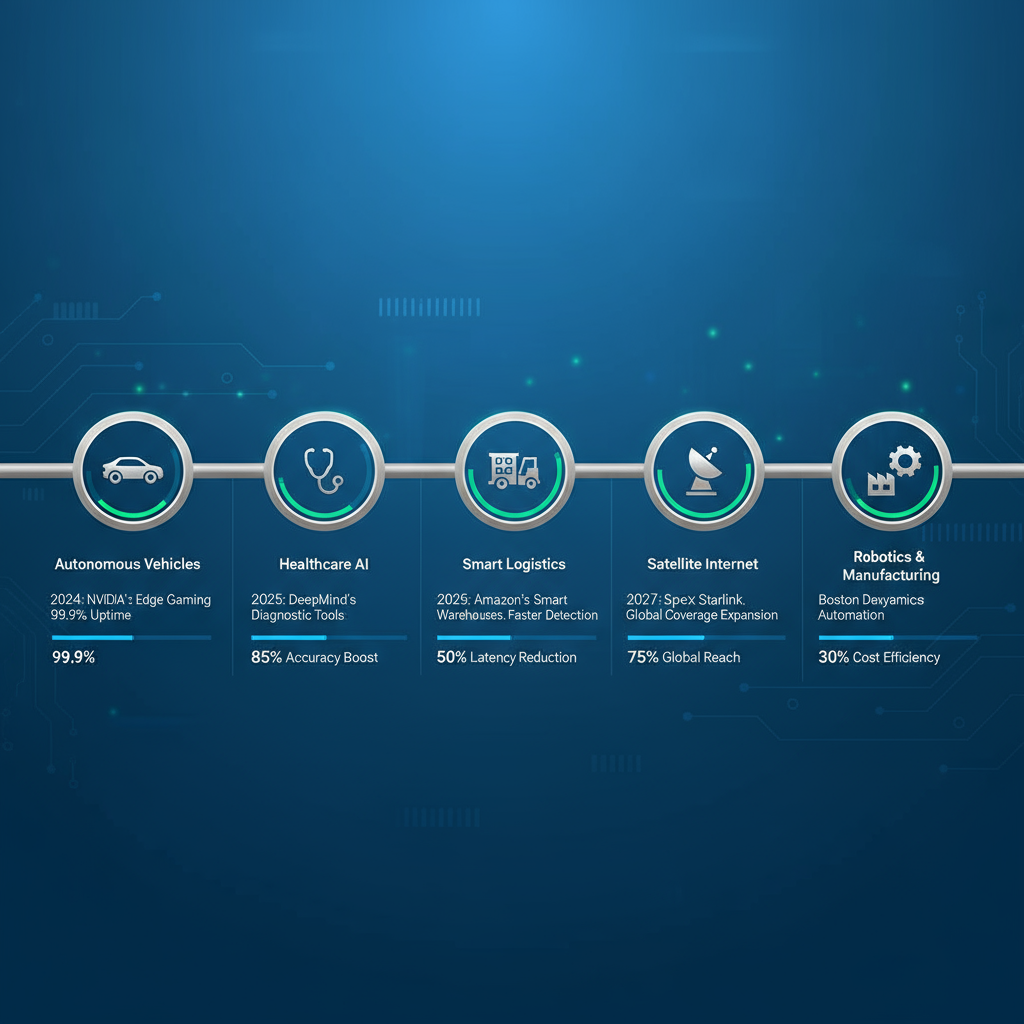
Timeline of Success Stories
“Timeline of edge computing success stories across industries.”
Use Case 2: Manufacturing and Industrial IoT (IIoT)
Factories generate massive data from machines, but sending it all to the cloud means delays that could cost thousands in downtime. Edge computing enables predictive maintenance and automation at the source.
Success Story: Siemens’ MindSphere Platform
German industrial giant Siemens uses edge computing in its factories to monitor equipment via sensors embedded in turbines and assembly lines. In a 2023-2024 rollout at a U.S. plant, edge analytics detected anomalies 40% faster than cloud methods, preventing $2.5 million in unplanned outages. By 2025-2026, Siemens plans to expand this with hybrid edge-cloud setups, using tools like Azure IoT Edge for AI-driven quality control.
For your business? If you’re in manufacturing, edge can integrate with robotics (e.g., via NVIDIA Jetson modules) to enable “lights-out” operations—fully automated lines that self-adjust. One mid-sized automaker reported a 25% productivity boost after edge-optimizing their supply chain, forecasting parts needs with 95% accuracy.
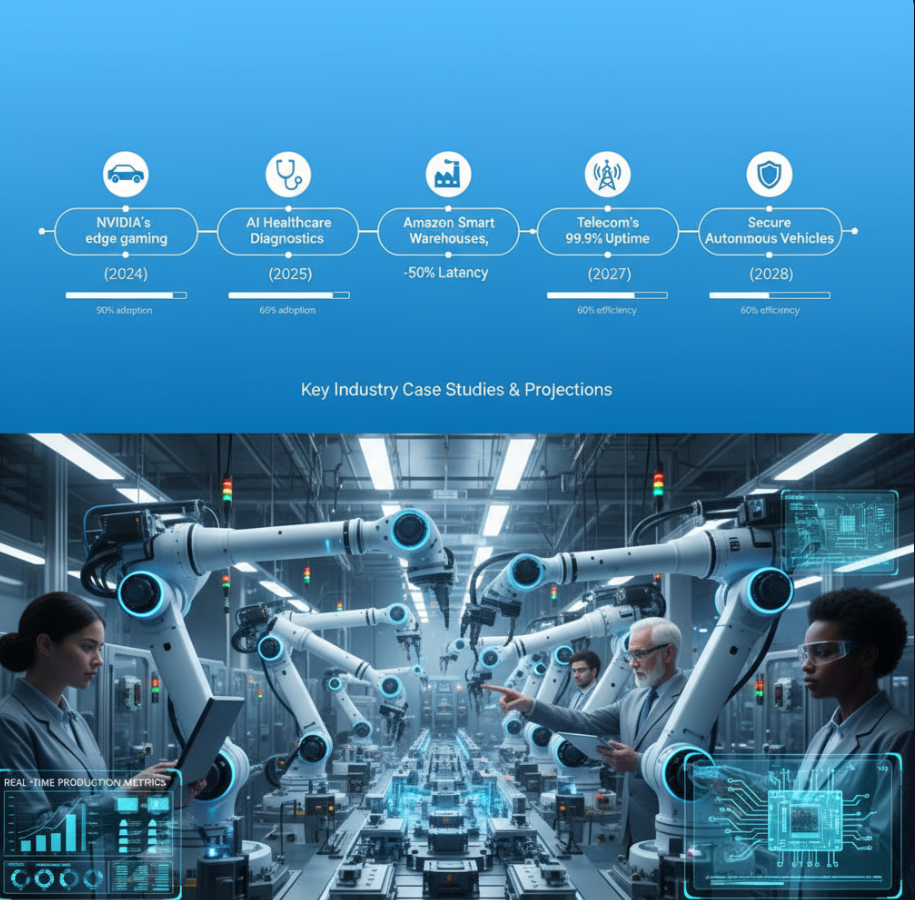
Industrial Edge in Manufacturing
“Edge computing enabling predictive maintenance in a modern factory.”
Use Case 3: Healthcare and Remote Patient Monitoring
In healthcare, where seconds can save lives, edge computing ensures data privacy and speed. Wearables and hospital devices process vitals on-device, complying with regs like HIPAA while minimizing cloud transmission.
Success Story: Philips’ Edge-Enabled Wearables
Philips HealthTech rolled out edge computing in its patient monitoring systems during the 2024 expansions. In a European hospital trial, edge-processed ECG data from wearables flagged arrhythmias in under 5 seconds—versus 30+ with cloud delays—improving response times by 80%. By 2025=2026, with FDA approvals for edge AI diagnostics, this tech is scaling to remote care, reducing hospital readmissions by 15%.
Business angle: Telehealth providers are adopting edge for secure, low-latency video consults. A startup using AWS Greengrass edge runtime saw their app’s user retention jump 35%, as patients get instant feedback without buffering frustrations.
Use Case 4: Retail and Autonomous Systems
From smart shelves to drone deliveries, retail leverages edge for personalized, frictionless experiences. Autonomous vehicles and stores thrive on edge’s low-latency decisions.
Success Story: Amazon’s Edge-Powered Warehouses
Amazon’s fulfillment centers use edge computing via AWS Outposts to process robotics data on-site. In 2024, this cut order-picking latency by 50%, handling Black Friday surges without cloud bottlenecks. One story: A warehouse in Texas processed 1 million items daily with 99.99% accuracy, thanks to edge AI optimizing robot paths.
Looking to 2025-2026, edge is fueling autonomous retail—like Walmart’s drone inventory bots or self-driving delivery fleets from UPS. A European retailer using edge for in-store analytics boosted sales 18% by tailoring promotions via facial recognition (privacy-compliant, of course).
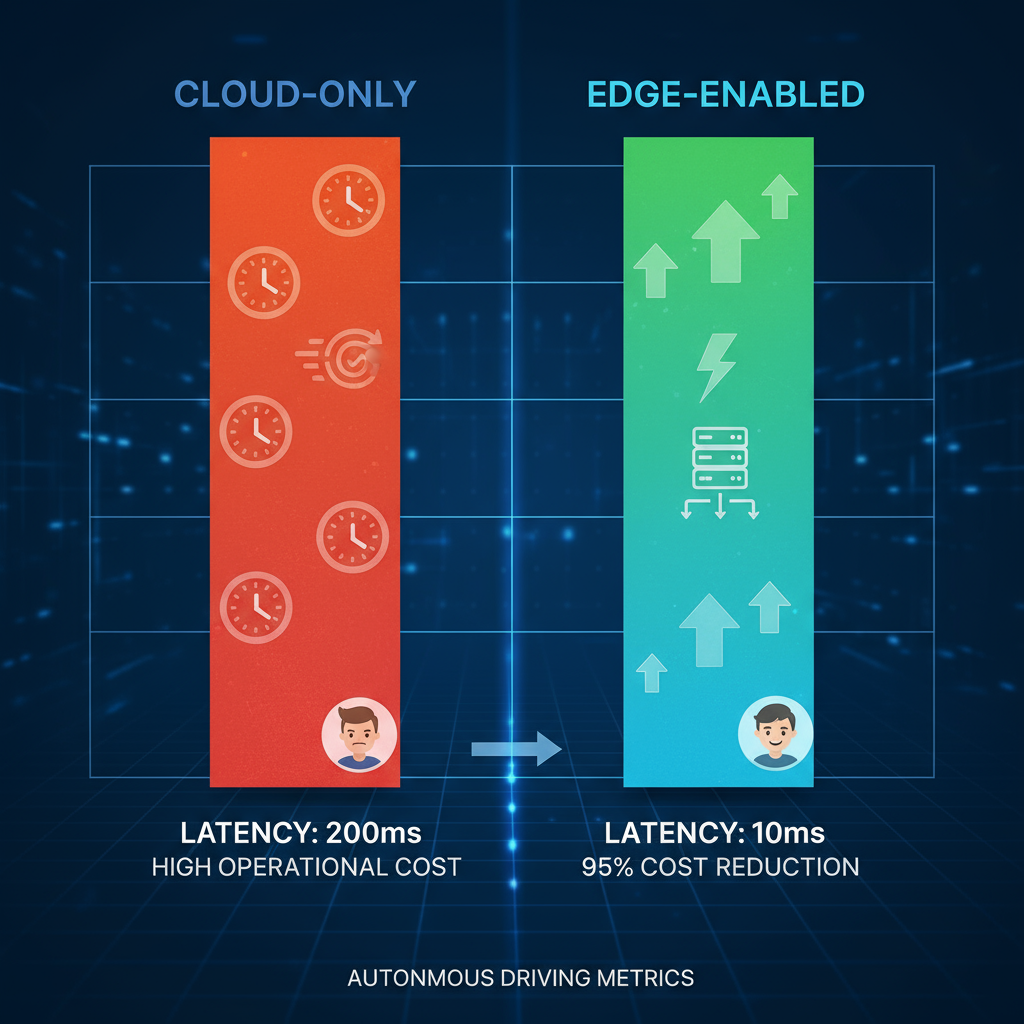
Before/After Edge Implementation
“Before/after comparison of edge computing in retail operations.”
Key Takeaways: Measuring Edge’s Impact
Across these use cases, edge computing delivers:
- Latency Reduction: Up to 90% faster processing for time-sensitive apps.
- Cost Savings: 20-40% lower bandwidth and energy use.
- Scalability: Handles IoT explosions without infrastructure overhauls.
- Resilience: Offline capabilities for mission-critical ops.
Tools like Kubernetes for edge orchestration or open-source frameworks (e.g., KubeEdge) make adoption straightforward. For IT leaders, start small: Pilot an edge setup in one department to quantify wins before scaling.
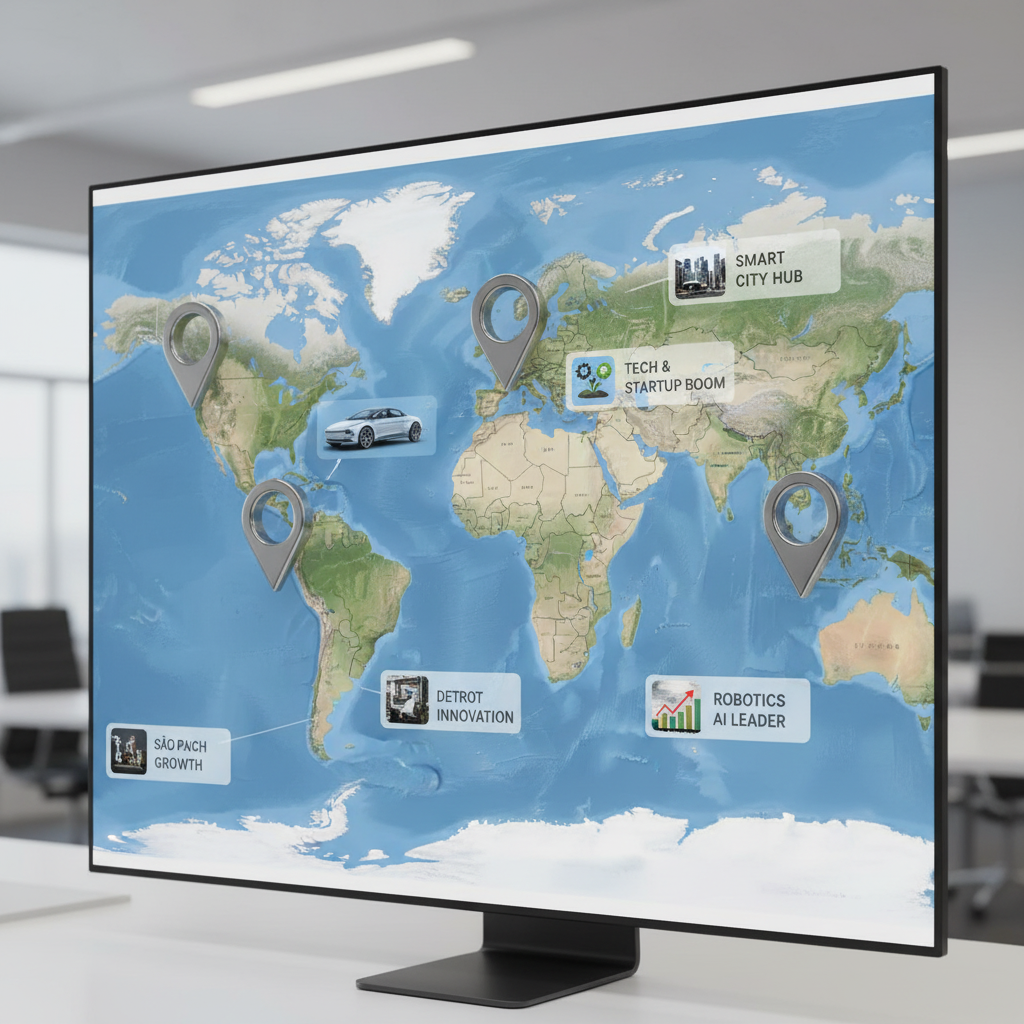
Interactive Map of Global Use Cases]
“Global map highlighting edge computing use cases and success stories.”
Wrapping Up: Edge is Here—Now Overcome the Hurdles
These stories prove edge computing isn’t futuristic—it’s fueling 2025’s breakthroughs, from smarter cities to efficient factories. Whether you’re optimizing supply chains or enhancing patient care, edge puts data power in your hands.
But no tech is without challenges. In our next post, Overcoming Edge Computing Challenges: Security, Scalability, and More, we’ll tackle the roadblocks like cybersecurity risks and integration pains, with proven strategies to build resilient systems.
What edge use case excites you most? Drop a comment below or share your thoughts on X [@YourHandle]. For more on choosing architectures, revisit Edge vs. Cloud. Subscribe for the full series—let’s edge ahead together!
Ready to implement edge? Check our resources #EdgeComputing, #IoT, #Tech2025,
