
Introduction to Edge Computing: Why It Matters
In today’s fast-paced digital world, every millisecond shapes user experiences and business outcomes. Edge computing powers this speed, enabling real-time decisions in self-driving cars, smart retail, and healthcare wearables. But what is edge computing, and why does it dominate IT discussions in 2025? This post, the first in our Exploring Edge Computing in 2025 series, demystifies edge computing, highlights its benefits, and explains its growing relevance. Whether you’re an IT manager, developer, or tech enthusiast, this guide sets the foundation for understanding this transformative technology. Edge Computing 101: The Future of Decentralized Data Processing.
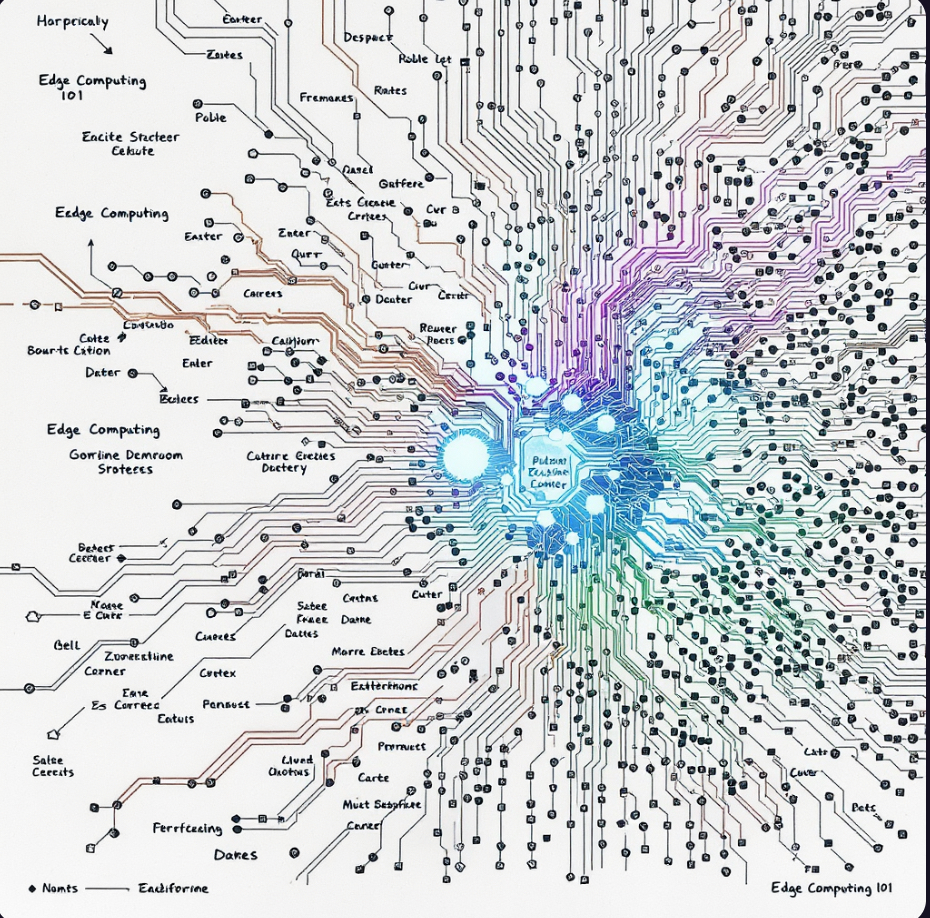
What Is Edge Computing?
Edge computing processes data close to its source—think IoT devices, sensors, or smartphones—instead of relying on distant cloud servers. For example, a smart camera in a store analyzes video footage on-site, not in a remote data center. This proximity reduces delays and enhances efficiency. Unlike traditional cloud computing, which centralizes processing, edge computing distributes it to the network’s “edge.”
Consider an autonomous vehicle navigating a busy intersection. It processes sensor data instantly to avoid collisions. Sending data to the cloud would introduce unacceptable delays. Edge computing ensures split-second decisions, making it critical for time-sensitive applications.
SEO Keywords: edge computing, decentralized data processing, IoT data processing, real-time analytics
Why Edge Computing Is Essential in 2025
Three major trends fuel edge computing’s rise in 2025, reshaping how businesses handle data. First, the Internet of Things (IoT) connects billions of devices, from smart thermostats to industrial sensors. These devices generate massive data volumes, overwhelming cloud infrastructure if sent centrally. Edge computing processes data locally, easing bandwidth demands.
Second, 5G networks deliver ultra-fast speeds and low latency. This enables edge devices to handle complex tasks like augmented reality (AR) or remote surgeries. Finally, businesses crave real-time insights for supply chain optimization, customer personalization, and more. Edge computing delivers instant analytics, even in areas with unreliable internet.
These trends make edge computing a cornerstone for industries seeking speed, efficiency, and reliability. But how does it compare to cloud computing? Let’s explore.
SEO Keywords: edge computing trends 2025, 5G and edge computing, IoT and edge computing
Edge vs. Cloud: A Clear Comparison
Edge computing and cloud computing serve distinct purposes, and understanding their strengths helps businesses choose the right approach. Edge computing excels in low-latency scenarios. It processes data locally, reducing bandwidth usage and enabling offline functionality. However, it struggles with scalability and complex computations due to limited device resources.
Cloud computing, by contrast, offers massive scalability and centralized management. It’s ideal for big data analytics or long-term storage. Yet, it relies on stable internet connections and can introduce latency. Many organizations adopt hybrid models, using edge for real-time tasks and cloud for deeper analysis. For instance, a smart factory monitors equipment at the edge but sends aggregated data to the cloud for trend analysis.
This comparison sets the stage for strategic decisions, which we’ll explore in our next post. For now, let’s see edge computing in action.
SEO Keywords: edge vs. cloud computing, hybrid edge-cloud solutions, low-latency computing
Real-World Applications: Edge Computing in Action
Edge computing transforms industries by enabling faster, smarter systems. In gaming, platforms like NVIDIA GeForce Now use edge servers to minimize lag, delivering seamless cloud gaming experiences. Retail stores deploy edge-powered cameras to track inventory or display personalized promotions as customers pass by. In healthcare, wearable devices process heart rate data at the edge, alerting doctors instantly to critical changes.
These examples highlight edge computing’s ability to drive innovation. From smart cities managing traffic to factories predicting equipment failures, its impact is undeniable. Curious about specific use cases? Our upcoming post dives deeper into real-world success stories.
SEO Keywords: edge computing use cases, edge computing in healthcare, edge computing in retail
Looking Ahead: What’s Next for Edge Computing?
Edge computing reshapes IT by prioritizing speed and decentralization. Its ability to process data instantly unlocks new possibilities for businesses and consumers alike. However, choosing between edge and cloud—or combining them—requires careful planning. Our next post, Edge vs. Cloud: Choosing the Right Architecture for Your Business, offers a practical framework to guide your decision. Stay tuned to learn when edge computing fits your needs and how to implement it effectively.
Join the Conversation
Start or join the conversation about this technology and provide any feedback that you believe would benefit other readers.
