
AI Ethics Unleashed: Why Responsible AI is the Future of IT (And How to Get Started)
Introduction
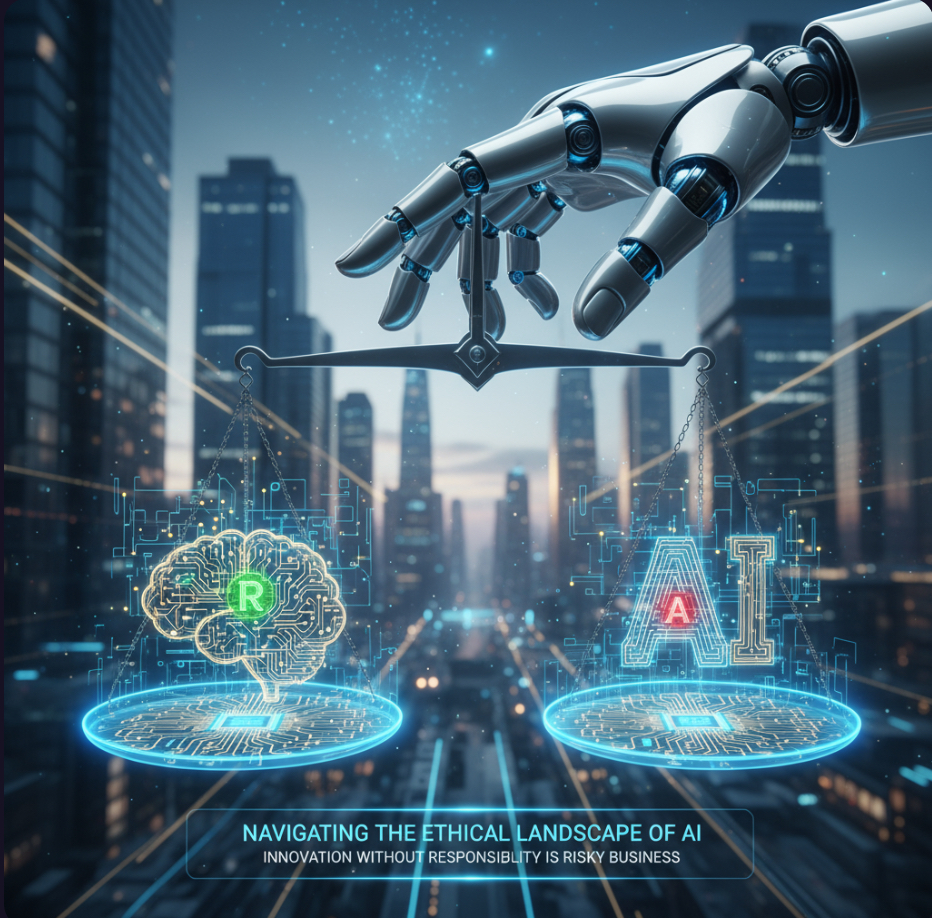
In the fast-paced world of Information Technology, AI is transforming everything from customer service chatbots to predictive analytics. But as we integrate these powerful tools, a big question arises: Are we creating tech that truly helps society, or are we risking unintended harm? That’s where AI ethics and responsible AI come in—they act as essential guardrails.
If you’ve been scrolling through X (formerly Twitter), you’ve likely seen the buzz around AI scandals, from biased algorithms to privacy invasions. However, practical advice on tackling these issues is still hard to find. In this post, we’ll break down what AI ethics means, why it matters for IT professionals, and how you can start applying responsible AI principles right away. Whether you’re a developer or a tech manager, this guide will help you navigate the ethical side of innovation. Let’s dive in.
What is AI Ethics, Anyway?
AI ethics focuses on ensuring artificial intelligence systems are fair, transparent, and beneficial to everyone. It’s more than just theory; it’s about real-world application. Responsible AI builds on this by weaving ethical considerations into every stage of AI development—from design to deployment.
For instance, think of traditional coding as asking, “Does this work?” Responsible AI adds, “Is this right, and who does it impact?” Major players like Google and Microsoft have their own guidelines, and the conversation is heating up on platforms like X with hashtags such as #AIEthics. But wait, there’s more—let’s explore why this matters to you.
Why Should IT Pros Care About AI Ethics?
Ignoring AI ethics can lead to serious consequences, like damaged reputations or legal troubles. Remember Amazon’s 2018 AI recruiting tool that favored men over women? Or the biases in facial recognition tech affecting people of color? These examples aren’t rare; they’re warnings.
On the positive side, embracing responsible AI offers real advantages. A 2023 Deloitte survey shows that 76% of executives see ethical AI as key to building trust. For IT teams, this translates to:
- Reduced Risks: Spot biases early with ethics audits.
- Innovation Boost: Ethical limits often inspire creative, privacy-focused solutions.
- Regulatory Edge: Stay compliant with emerging laws like the EU’s AI Act.
In essence, responsible AI isn’t a hurdle—it’s a pathway to smarter, more sustainable tech. Moving forward, let’s uncover the pitfalls to watch out for.
Common Ethical Pitfalls in AI (And How to Spot Them)
AI reflects its data and creators, which means flaws can creep in easily. Here are three major issues, along with tips to address them:
1. Bias and Fairness
If your data isn’t diverse, your AI will perpetuate inequalities. For example, skewed training sets can lead to discriminatory outcomes in hiring or lending.
Solution: Use diverse datasets and tools like IBM’s AI Fairness 360 for regular checks.
2. Transparency Issues
“Black-box” AI—where decisions are unexplained—breaks trust. Users and regulators demand clarity.
Solution: Choose explainable models and document your processes thoroughly.
3. Privacy and Security
AI often handles massive data volumes, raising risks of breaches.
Solution: Anonymize data and comply with standards like GDPR.
These pitfalls are hot topics in IT discussions on X, where experts share fixes. By recognizing them, you’re already ahead. Now, let’s turn to action.
Getting Started with Responsible AI in Your IT Projects
Ready to implement? Here’s a straightforward roadmap:
- Assess Your AI Footprint: Audit systems using frameworks like the OECD AI Principles.
- Build Diverse Teams: Include varied perspectives to catch blind spots.
- Implement Tools: Try Google’s Responsible AI Practices or Microsoft’s Azure guidelines.
- Monitor and Iterate: Track impacts with ongoing metrics.
Pro Tip: Start with a small project, like an internal AI tool, and expand. With these steps, you’ll build ethics into your workflow seamlessly.
Conclusion: The Ethical Imperative for Tomorrow’s IT
AI ethics empowers innovation without the downsides. As IT advances, ethical leaders will thrive. What’s your experience with AI dilemmas? Share in the comments!
Stay tuned for our series on responsible AI—next up: “The Hidden Dangers: Top AI Ethical Pitfalls and How to Avoid Them.”
[Button Block: CTA]
Subscribe to Newsletter In Planning Stage
Follow Us on X
[Paragraph: Links Section]
Related Reading: [Internal Link: Your Edge Computing Post] for more IT insights.
External Resources: Link to Google’s AI Principles | Link to Deloitte AI Survey.
Tags: AI Ethics, Responsible AI, Information Technology, Tech Innovation, AI Bias
Categories: AI, Ethics in Tech
[Word Count: ~900]